Good keyword research ends with a decision about what to improve or create—not a spreadsheet full of phrases with no purpose. This guide takes you from customer questions to a checked shortlist and a useful page plan.
The UK shop example is fictional and illustrative only. No client results, search volumes or rankings are invented.
1. Start with the business and audience
Keyword research means finding the searches your audience uses, understanding what they need and deciding which ones your website can answer usefully. Start with products, services and real customer questions—not the biggest number in a keyword tool.
- List the offers you actually deliver and the areas you genuinely serve.
- Collect recurring questions from enquiries and sales conversations, without publishing private customer details.
- Write down the words customers use, including everyday alternatives to industry terminology.
- Decide the next step each answer could support: comparing products, learning a process or making an enquiry.
A phrase can be relevant to your industry but wrong for your business. A shop selling jackets does not automatically need to target every search about outdoor holidays. Keep a separate list of ideas to reject or investigate.
2. Build a small, evidence-led list
Begin with a handful of seed topics. Expand them with related phrases and questions in a keyword tool, then compare them with searches your existing pages already attract in Search Console.
Use competitor pages to find questions you may have missed, not as a checklist to copy. The SEO competitor analysis guide explains how to look for useful gaps. Search suggestions can supply wording ideas, but they are not search-volume measurements.
- Keep the exact phrase, country, source and date alongside each estimate.
- Record whether the idea came from customer questions, an existing page or a tool.
- Remove irrelevant products, locations and audiences.
- Mark missing information as unknown rather than filling it with guesses.
For a tool-specific walkthrough, use the existing Semrush keyword research tutorial. This guide covers the decisions around the research, rather than replacing that tutorial.
3. Check what the searcher needs
Search intent is the task behind a query. Someone looking for “how to clean a waterproof jacket” needs care advice; someone comparing “waterproof walking jackets UK” may need product choices. Do not send both straight to a sales page without checking the evidence.
Inspect current results in the audience’s location for representative phrases. Note the page types, questions answered and how much information the results themselves provide. Record the date and location: results vary, and the mix is not a permanent rule.
- Are results mainly guides, categories, individual products or local businesses?
- Is the search asking for a definition, a comparison or a specific action?
- Are there several plausible tasks within the same result page?
- Can your business provide a credible answer with something useful beyond a rewritten summary?
A tool’s intent label is a starting point, not a substitute for reading the results. You can serve a narrower useful task without copying every heading from the top-ranking page.
4. Read keyword metrics with caution
Search volume is a demand estimate, not the number of visits your page will receive. Keep the country and exact query consistent when comparing terms, and consider seasonal patterns rather than treating an average as next month’s forecast.
- Volume: compare relative demand, but do not add overlapping variants as if every estimate represented different people.
- Organic difficulty: a tool’s estimate of competition, not a guarantee that your site can or cannot rank.
- Paid competition and CPC: advertising signals, not organic ranking difficulty or proof of profitability.
- Missing or zero volume: limited evidence; check customer questions and other sources before dismissing a useful topic.
Google Keyword Planner is designed for advertising research and allows location and other targeting settings. Do not confuse its advertising competition with SEO difficulty. Nor should you expect different tools to report identical estimates.
For established pages, use Search Console’s actual reported impressions and clicks alongside estimates. Those figures describe your site’s observed visibility, not total market demand.
5. Prioritise a useful shortlist
Choose topics by audience fit, business relevance, quality of available evidence, realistic effort and demand—not volume alone. Start with a small shortlist you can review properly.
Fictional UK example — illustrative only
Harbour & Hide is a fictional Glasgow outdoor shop. These phrases and decisions are teaching examples, not checked keyword volumes, observed rankings or Craig’s client results.
- “Waterproof walking jackets UK”: investigate improving an existing category if current results support comparison shopping and the shop has suitable stock.
- “How to wash a waterproof jacket”: investigate a useful care guide, supported by manufacturer instructions and fabric-specific caveats.
- “Outdoor shop Glasgow”: consider genuine location information only if the business really has a customer-facing shop there.
- “Free hiking holidays”: reject for this plan because the shop does not supply that offer.
The next action is to check demand and current results for the retained ideas, not to commission every page immediately. No ranking or revenue outcome is implied.
Keep a research row for each candidate: phrase or group, audience task, evidence, existing destination, proposed action, owner and review date. Mark unresolved intent or missing expertise before assigning work.
6. Map the research to existing pages
Group phrases that need substantially the same answer. Different word orders do not automatically justify separate pages. Start with the existing website and use the keyword mapping guide to choose a sensible destination for each group.
- Improve an existing page when it already serves the task but answers it poorly.
- Consider a new page when there is a distinct useful answer missing.
- Investigate overlap before producing another article on the same subject.
- Keep established addresses unless there is a separately reviewed reason to change them.
Give the writer a brief with the audience, task, essential questions, supporting evidence and next step. Use related wording naturally; do not prescribe a keyword density or repetition quota. The SEO copywriting guide covers turning that brief into a clear page.
Plan relevant links into the destination using the internal linking guide. A page with a good keyword plan still needs useful discovery paths and an accurate answer.
7. Review what happened
Record when the page was published or improved. Review relevant page and query data in Search Console, alongside genuine enquiries or sales where measurement is available. Separate brand searches from other searches when that distinction matters to the decision.
Compare like-for-like periods and note seasonality, other site changes and shifts in results. Do not judge a topic only by a single keyword’s position or assume that every traffic change came from your research. The monthly SEO report guide helps turn the evidence into the next action.
Revise the shortlist when offers, customer questions or search intent change. A before-and-after improvement does not establish causation; use the SEO testing guide for a more cautious evaluation.
Checklist and next step
- Does the business genuinely serve this audience and task?
- Have you recorded the exact query, country and source?
- Have you inspected representative current results?
- Are estimates separated from observed data and assumptions?
- Have you checked existing pages before planning new ones?
- Is the brief supported by evidence rather than a repetition target?
Choose one offer, build a small shortlist and review the existing pages that could answer it. Keyword research reduces guesswork; it cannot guarantee crawling, rankings, traffic or enquiries.
For a walkthrough of one popular tool, see my guide to the Semrush Keyword Magic Tool.
Sources and review notes
The research workflow and fictional shop decisions are editorial recommendations, not measured results or a claim that Craig personally tested the example. Previously checked Google guidance is reused below with its original check date.
- Semrush: keyword research workflow — checked 16 November 2026.
- Google Ads: refine keywords in Keyword Planner — targeting and advertising metrics, checked 16 November 2026.
- Google: helpful, reliable, people-first content — source reused from the keyword mapping guide, checked 12 November 2026.
Classify keyword ideas on more than one axis
Types of Keywords adds distinctions that can sit alongside the target's intent and prioritisation checks. A phrase can be local, specific and evergreen at the same time; these are not mutually exclusive buckets.
Specificity, freshness and location
- Specific versus generic: distinguish a broad product category from a more precise need. The older article uses word-count rules of thumb for long-tail terms; do not turn those into eligibility rules or automatic low-competition claims.
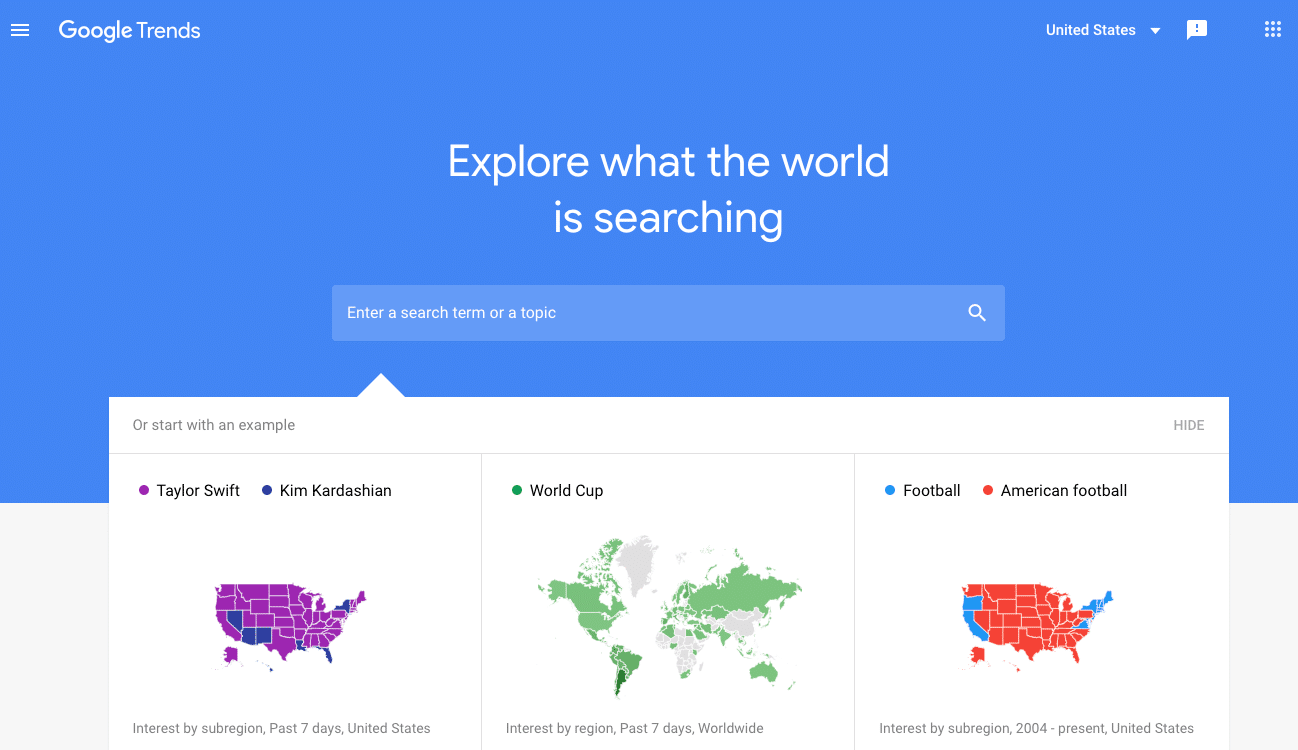
- Fresh versus evergreen: an event-led phrase can spike and fade, while a recurring question may warrant a maintained resource. Google Trends can help investigate timing rather than treating a snapshot as stable demand.
- Geographic scope: a Glasgow modifier changes who can use the result. Check whether the business actually serves the place, not just whether a local phrase looks easier.
Turn a Semrush export into a focused brief
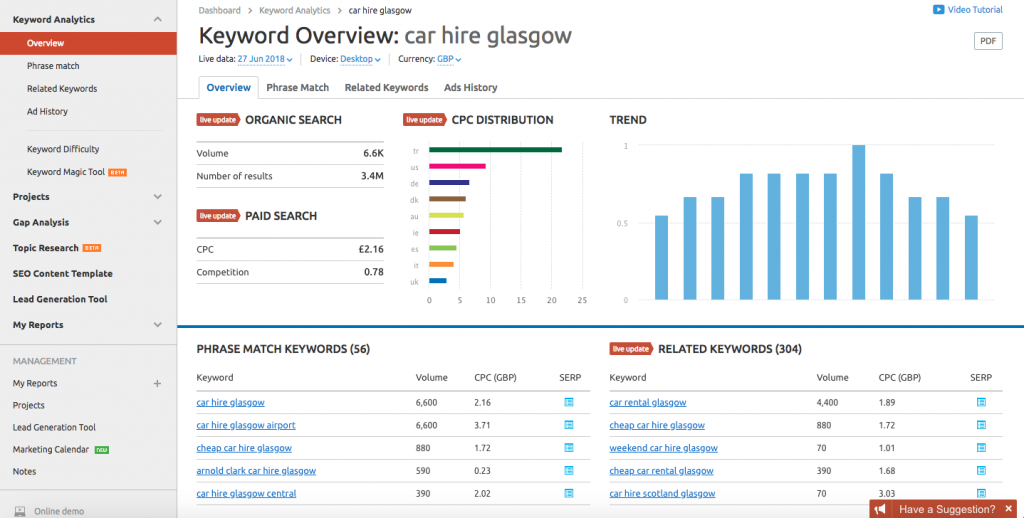
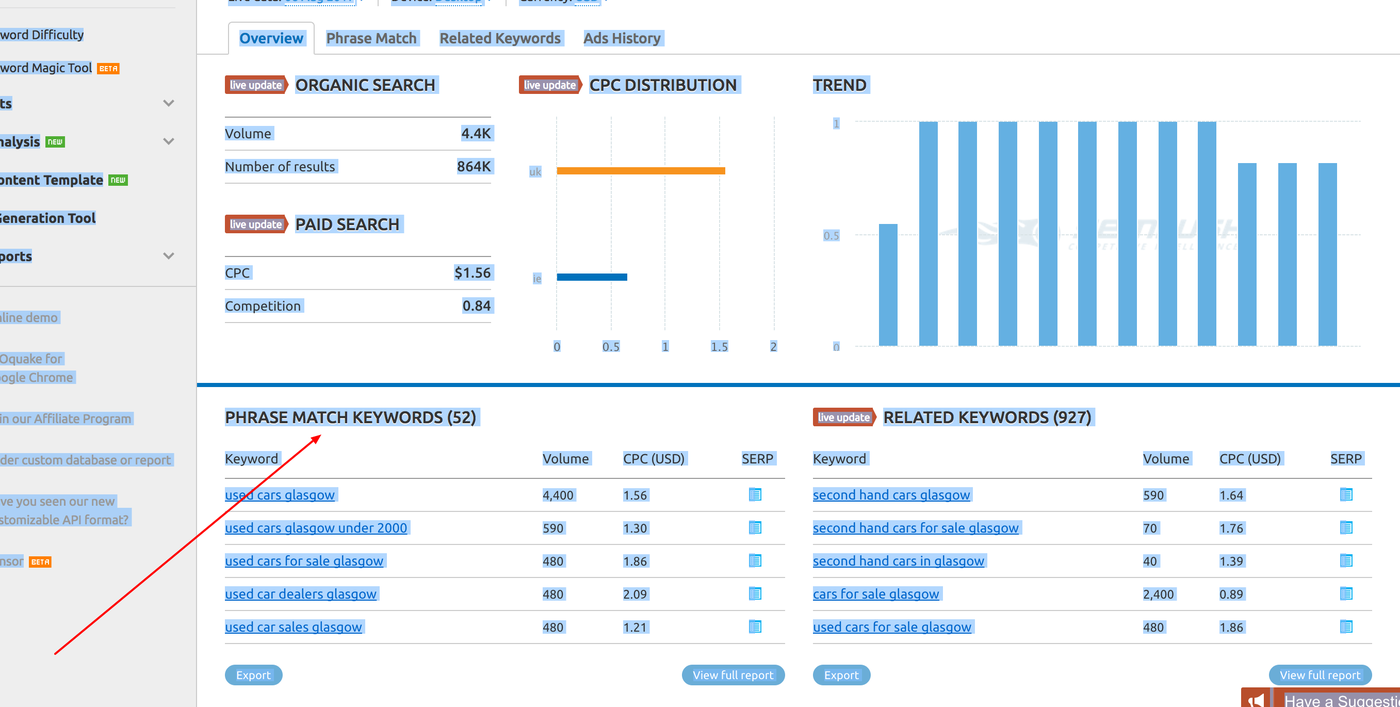
The Semrush tutorials add an execution sequence: enter a seed in Keyword Overview, choose the intended market, expand related or phrase ideas and inspect actual competitors. A broad “car hire” seed is research input, not automatically the page's final target. Narrow toward the location, service and searcher task before exporting a shortlist.
Use competitor coverage as a question list
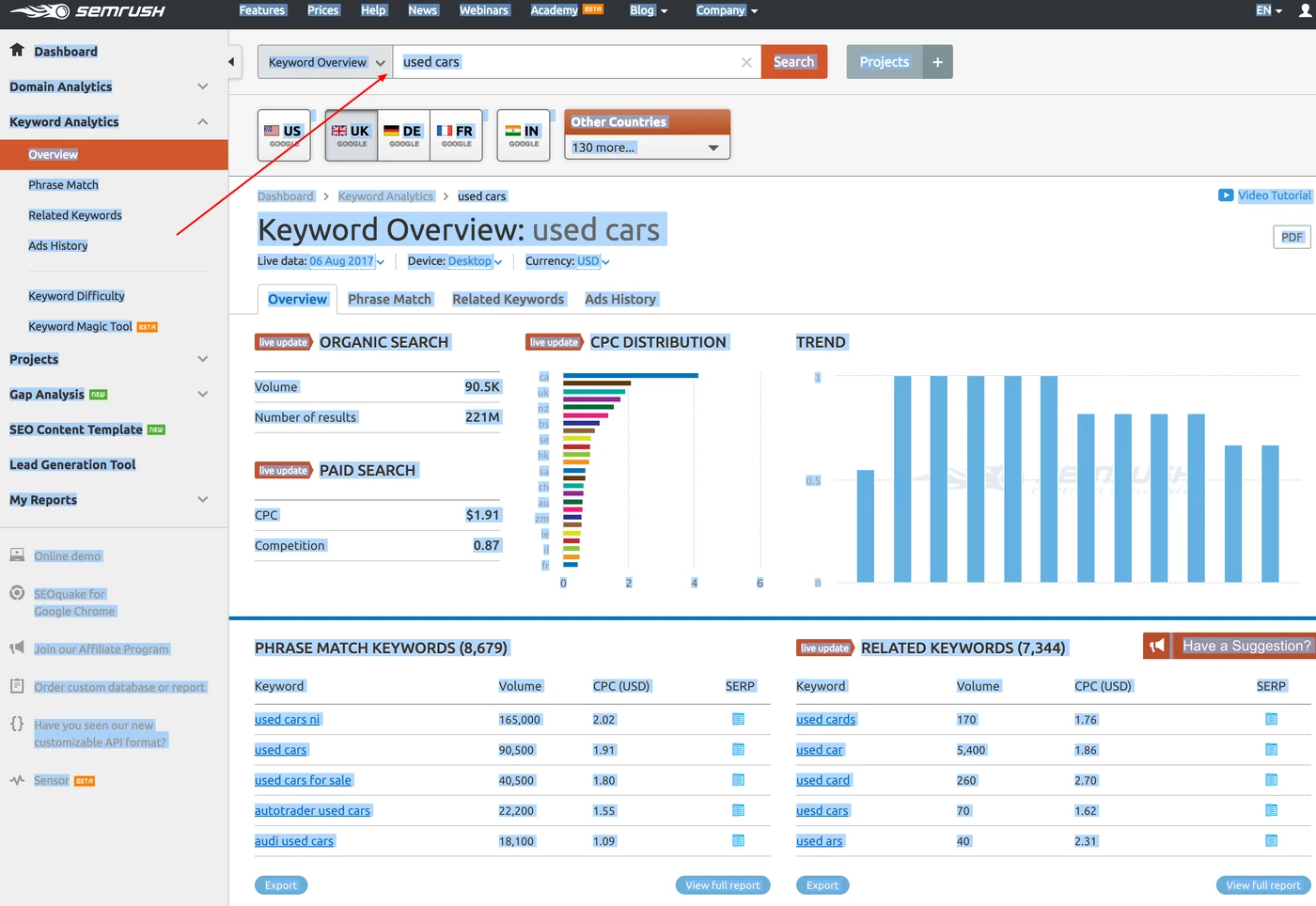
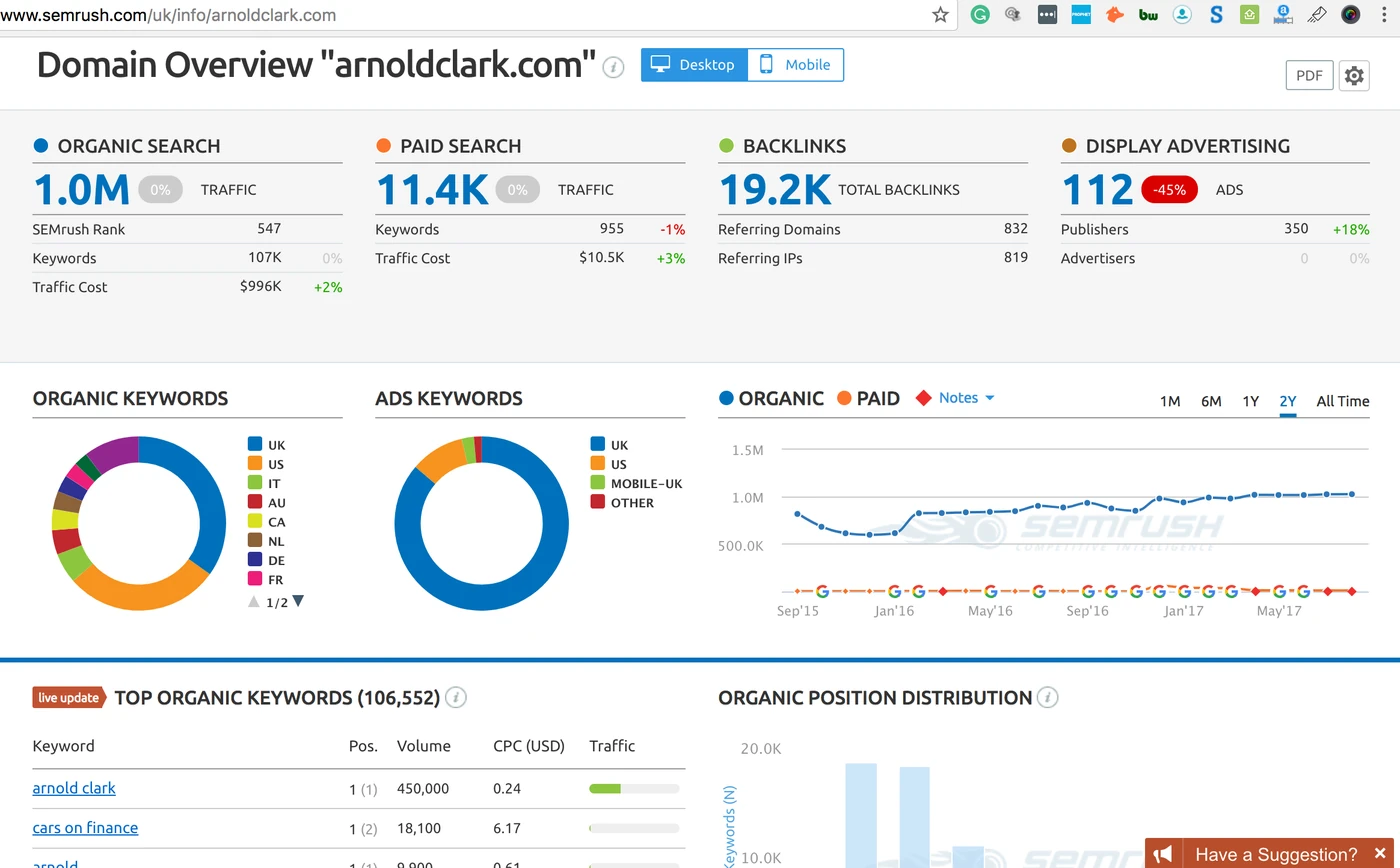
The older used-car walkthrough inspects Arnold Clark to find ideas beyond its branded searches, including “cars on finance”. Do not copy every term a large competitor ranks for: check that the service, commercial conditions and result type fit your business. The revised car-hire tutorial separately shows how to reject loosely related ideas and turn retained terms into a page brief.
Keep historical screenshots and trial terms clearly labelled
Semrush Keyword Research labels its car-hire screenshots as 27 June 2018 data: the displayed 135K volume and £1.86 CPC are historical estimates, not current demand or costs. How to Do Keyword Research With Semrush reported 8679 phrase-match and 7344 related ideas for “Used Cars”, and 52 keywords with nearly 1000 related ideas in its narrower example. Its Arnold Clark example cited over 100,000 ranking keywords, 450,000 monthly brand searches, over 1 million monthly visitors and 18,100 monthly searches for “cars on finance”. These figures describe that old walkthrough only.
That older article also promoted “FREE for 30 days” Pro and Guru trials. These are historical offer terms, not live trial promises; the trial links are not retained here.
Choose tools for the research gap you need to fill
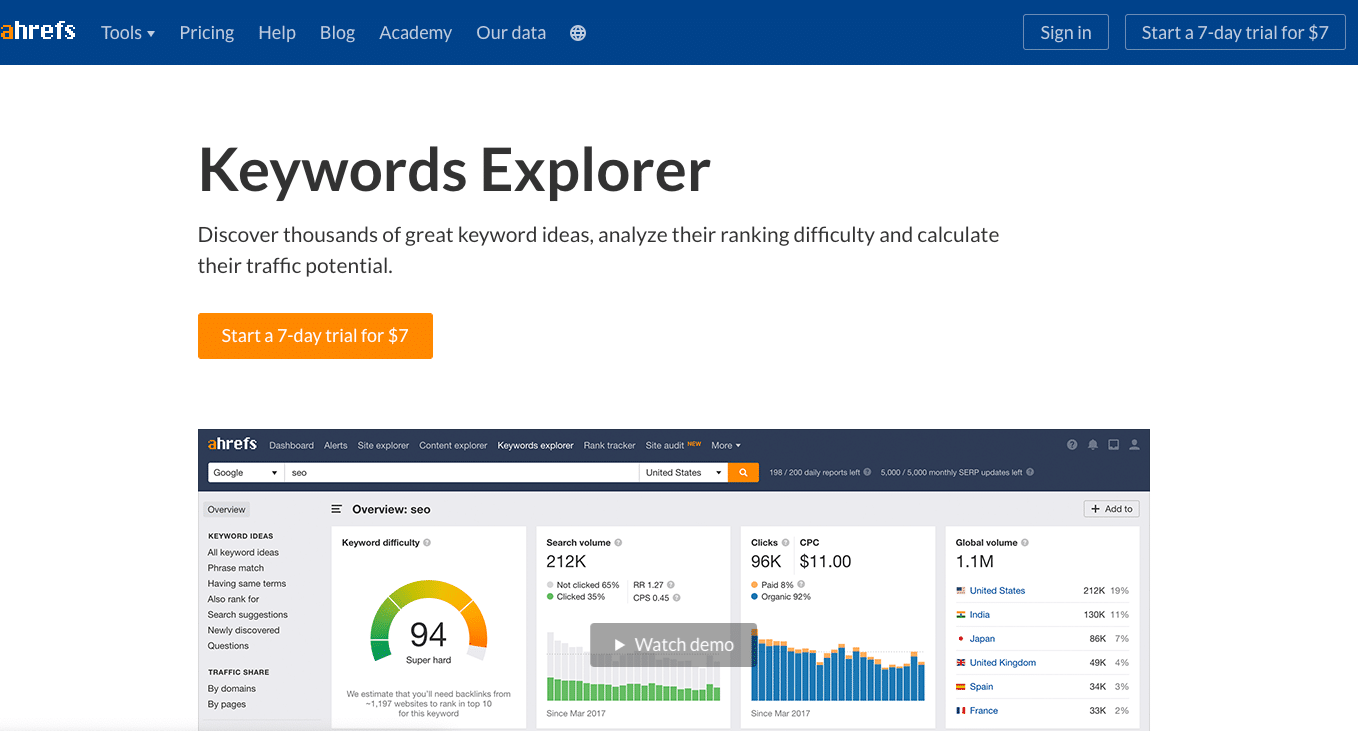
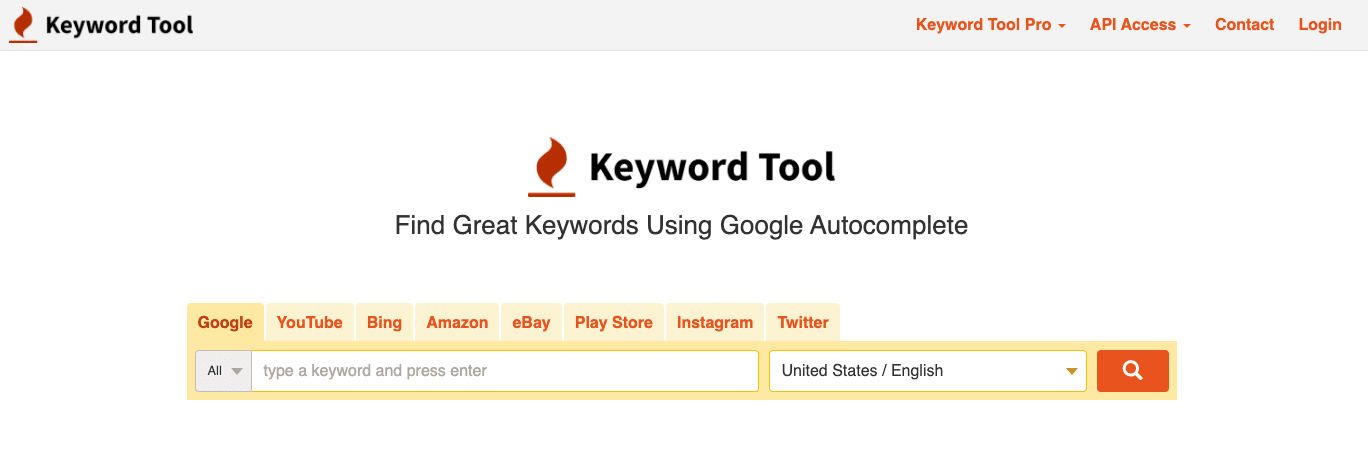
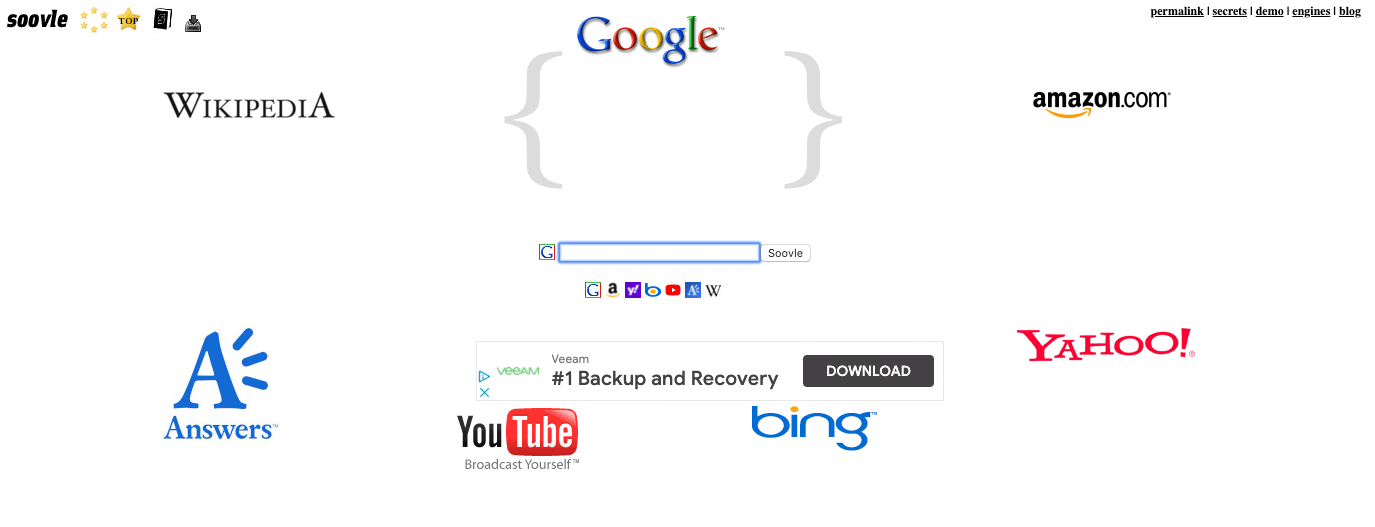
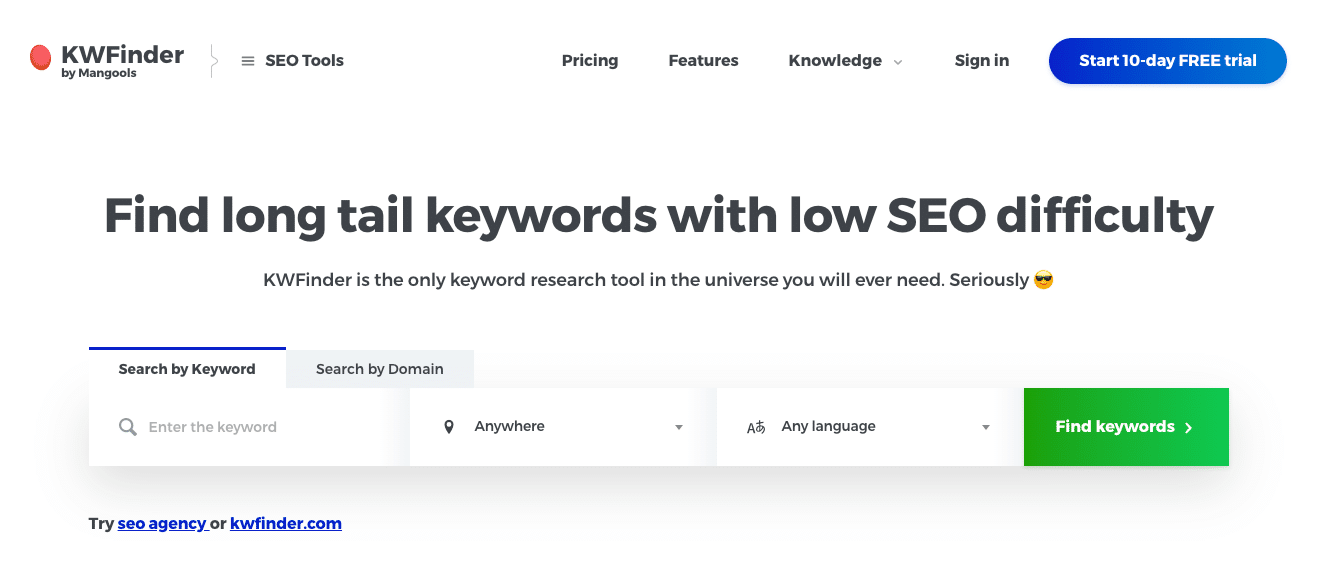
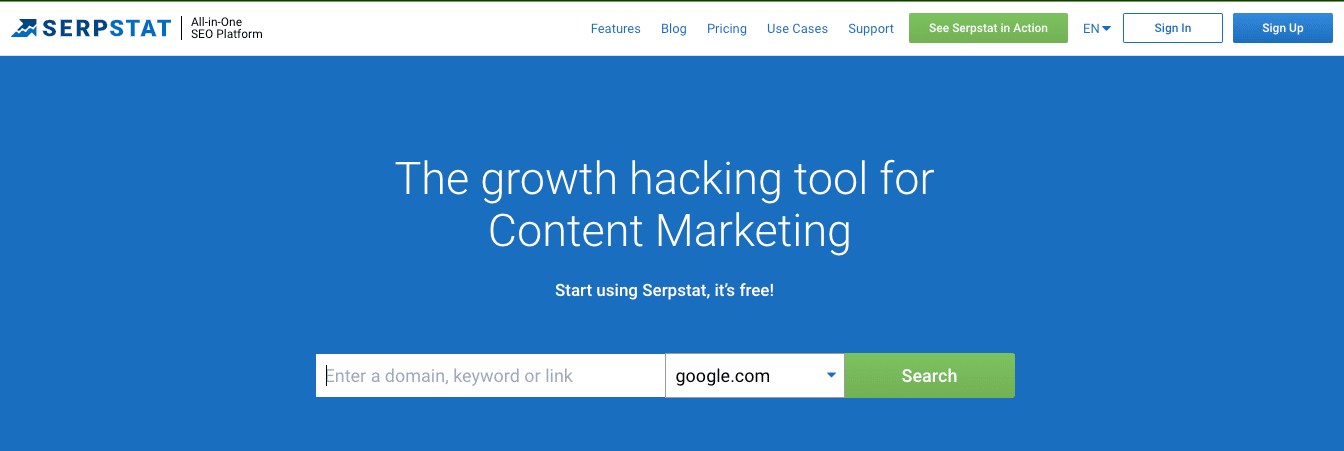
7 Great Keyword Research Tools compares Semrush and Ahrefs Keywords Explorer with suggestion tools such as Keywordtool.io and Soovle, plus KWFinder, Serpstat and Google Trends. Suggestions help expand language; trend checks help investigate timing; neither replaces checking the live results and business relevance. Compare outputs in the same market rather than treating different tools' estimates as interchangeable measurements.
The source described KWFinder as “$29 a month” and Serpstat as “just under $20 a month”, and referred to a Semrush database of “over 800 million terms”. These are attributed historical review figures, not current subscription quotes or database sizes. The target has no competing price schedule.
Preserved source images and videos
These original supporting assets supplement the sections above. Existing target media remains in place. Original screenshot captions are retained where supplied; a reused asset is included only once.
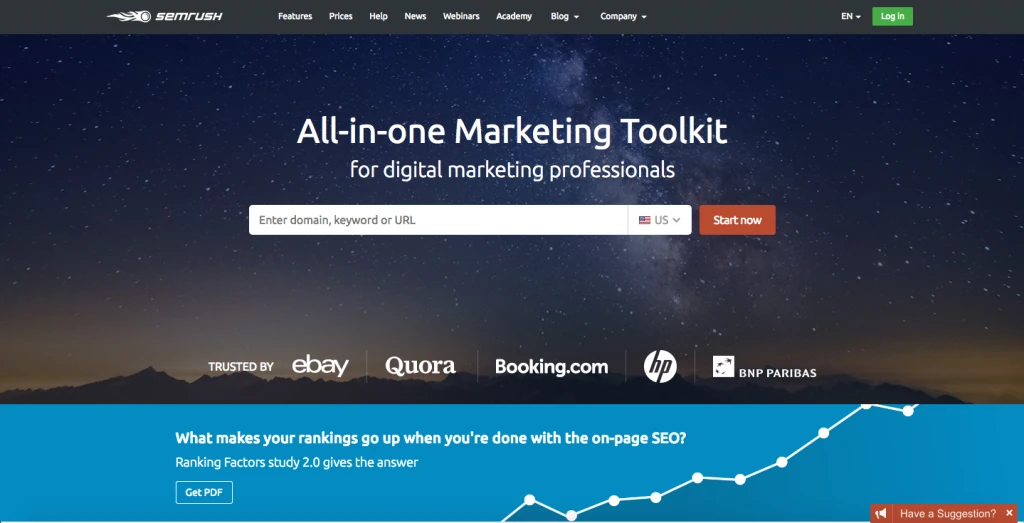
Original media: types-of-keywords
Preserved from the source article; historical screenshots, promotions and video claims are not current price quotes or promised results.



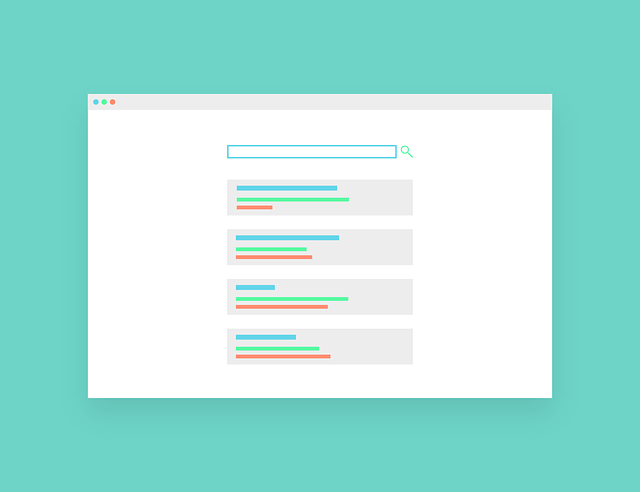
Original media: semrush-keyword-research
Preserved from the source article; historical screenshots, promotions and video claims are not current price quotes or promised results.
YouTube video paused
Allow YouTube to load videos and use cookies or similar storage. Google receives connection information and may process it under its privacy policy.
Privacy policy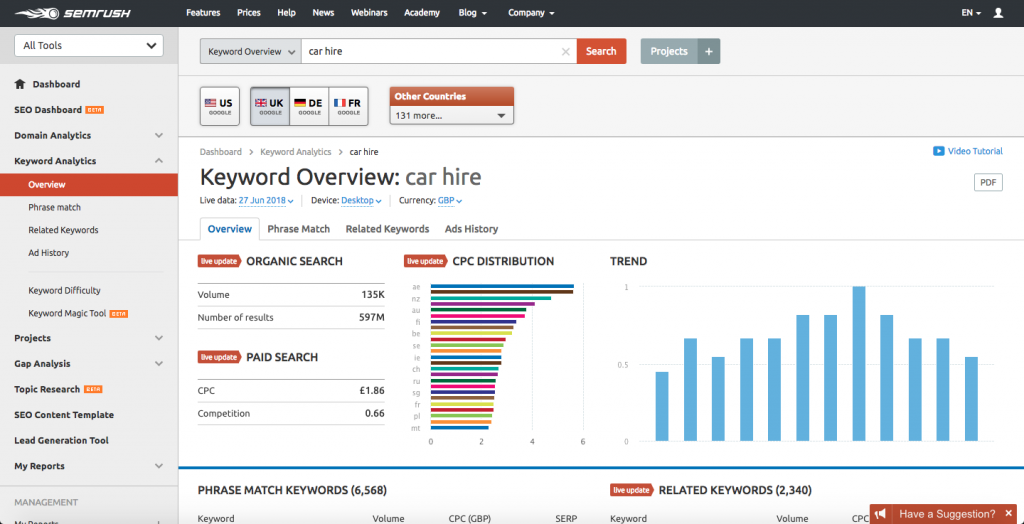
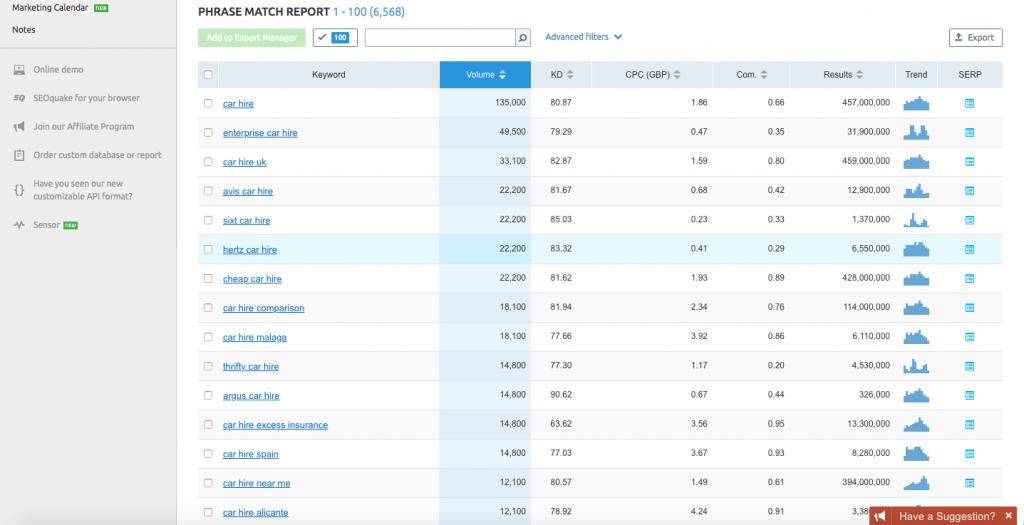
Original media: how-to-do-keyword-research-with-semrush
Preserved from the source article; historical screenshots, promotions and video claims are not current price quotes or promised results.

Original media: 7-great-keyword-research-tools
Preserved from the source article; historical screenshots, promotions and video claims are not current price quotes or promised results.
YouTube video paused
Allow YouTube to load videos and use cookies or similar storage. Google receives connection information and may process it under its privacy policy.
Privacy policy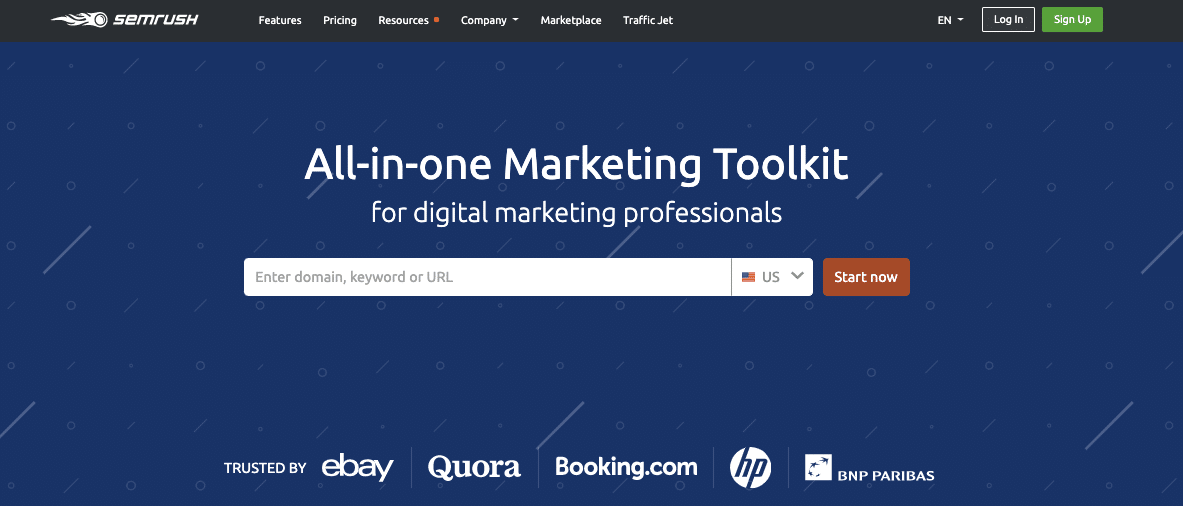
Historical pricing and terms from the source material
The following wording is retained from the original articles for context, not as a current quote or provider entitlement. Where it differs, the figures and terms stated earlier in this article take precedence; confirm any purchase or engagement terms before payment.
Semrush keyword research: from a broad seed to a local shortlist — 2018-07-03
Read search volume as estimated demand, not expected visits. CPC and paid competition describe advertising context; neither is organic ranking difficulty. A large number of search results is not a reliable difficulty measure. Current report names and access may differ from these screenshots.
How to do Keyword Research with SEMRush — 2019-10-18
So when picking your keywords you want to pick some of the high volume keywords, but also throw in more specific search terms that have less search volume, in most cases, these are easier to rank for and will get you some quick easy results by doing the research properly.
7 Great Keyword Research Tools — 2020-07-07
In today’s article, we’ll look at a list of some of the top keyword research tools out there. Some of them are paid, some of them are free, but the important thing to keep in mind is that each of them can help you.
7 Great Keyword Research Tools — 2020-07-07
More often than not, paid keyword research tools can give you information that you wouldn’t have access to when using a free version or a freemium. That’s the exact case with SEMrush, which can be used in several ways to find keywords that your competitors target, but also some that you need in accordance with your niche.
7 Great Keyword Research Tools — 2020-07-07
On top of that, you can use SEMRush’s Keyword Magic Tool, which pulls keyword suggestions from a database of over 800 million terms. This one is very straightforward and easy to use, and it tells you the CPC, the keyword difficulty, and the search volume.
7 Great Keyword Research Tools — 2020-07-07
You can also look for suggestions, keywords that have the same specific terms, or broader ones that are part of the same groups. All in all, it’s a very handy tool to have and use on a regular basis.
7 Great Keyword Research Tools — 2020-07-07
If you don’t want to get stuck in the Google Search Console or Google Keyword Planner, you can use this site, instead. It does come with a paid version, but you can use one of its free keyword research tools, too.
7 Great Keyword Research Tools — 2020-07-07
There are many other tools that can help you with your keyword research if you are building a new website, and here are some that you should at least look into before deciding on getting a paid plan from any.
Tutorial videos and illustrations