Product note — 21 November 2026. The original Universal Analytics references describe a retired analytics product; the historical setup instructions below are not current configuration advice. The source article was published on 2026-11-16.
Link building for SEO is the work of earning relevant links from other websites to yours. Google uses links to discover pages and as a relevance signal, but a link count alone does not tell you whether a campaign is useful. Start with a page worth citing and a clear reason for another publisher’s readers to visit it.
This guide brings resource planning, prospect checks and measurement into one workflow. All businesses and figures below are fictional UK examples, illustrative only—not Craig’s client work or measured results.
1. Start with the page and the reader
Before looking for publishers, choose a destination worth recommending. A reference guide, original research or a genuinely useful tool may give someone a reason to cite you. A sales page can still be relevant, but an editor needs a reason to send readers there beyond helping your rankings.
- Identify the audience and the question the destination answers.
- Check that facts, sources and ownership are clear.
- Confirm the page loads, works on a phone and delivers its promise.
- Choose a useful business outcome: relevant readers, enquiries or product discovery.
Use the linkable assets guide to plan a resource. Do not commission a large campaign around a page you would not recommend to a real reader.
2. Understand what a useful backlink looks like
A backlink is a link from another website to yours. A referring domain is the website providing one or more of those links. Ten links from one publication are not ten different publishers, and a sitewide footer can inflate a link count without ten separate editorial decisions.
Assess the actual page and its readers, not just the domain:
- Relevance: does your destination help the surrounding article’s audience?
- Editorial judgement: is there a genuine reason to cite it?
- Context: does the link sit in useful text with accurate wording?
- Destination: does it reach the intended live page?
- Transparency: are commercial relationships disclosed and appropriately qualified?
Third-party authority scores can help organise research, but they are not Google scores or guarantees of value. A backlink database is a sample of what the provider has discovered, not a complete record of the web.
3. Choose an approach that fits your evidence
Pick an approach you can support with real material rather than copying a competitor’s entire backlink list.
- Useful resources: offer a clear reference where a publisher already explains the subject.
- Digital PR: develop a defensible story, expert contribution or original finding that serves a publication’s audience.
- Unlinked mentions: where someone already references your business, consider a polite request for a useful source link.
- Broken references: propose your page only when it genuinely replaces the missing information, not merely because a link is broken.
For story-led work, read the digital PR guide. Expert contributions must use real expertise and approved attribution; do not invent quotes, survey findings or customer outcomes.
A fictional Glasgow outdoor shop prepares a sourced explainer on manufacturer-stated waterproof ratings. Its audience is shoppers comparing jackets. It approaches a walking publication whose existing buying guide would benefit from a clearer explanation.
The reason for the pitch is the reader’s question, not a demand for an exact-match link. The shop, resource and publisher are invented; no outreach or ranking result is implied.
4. Build a short, checked prospect list
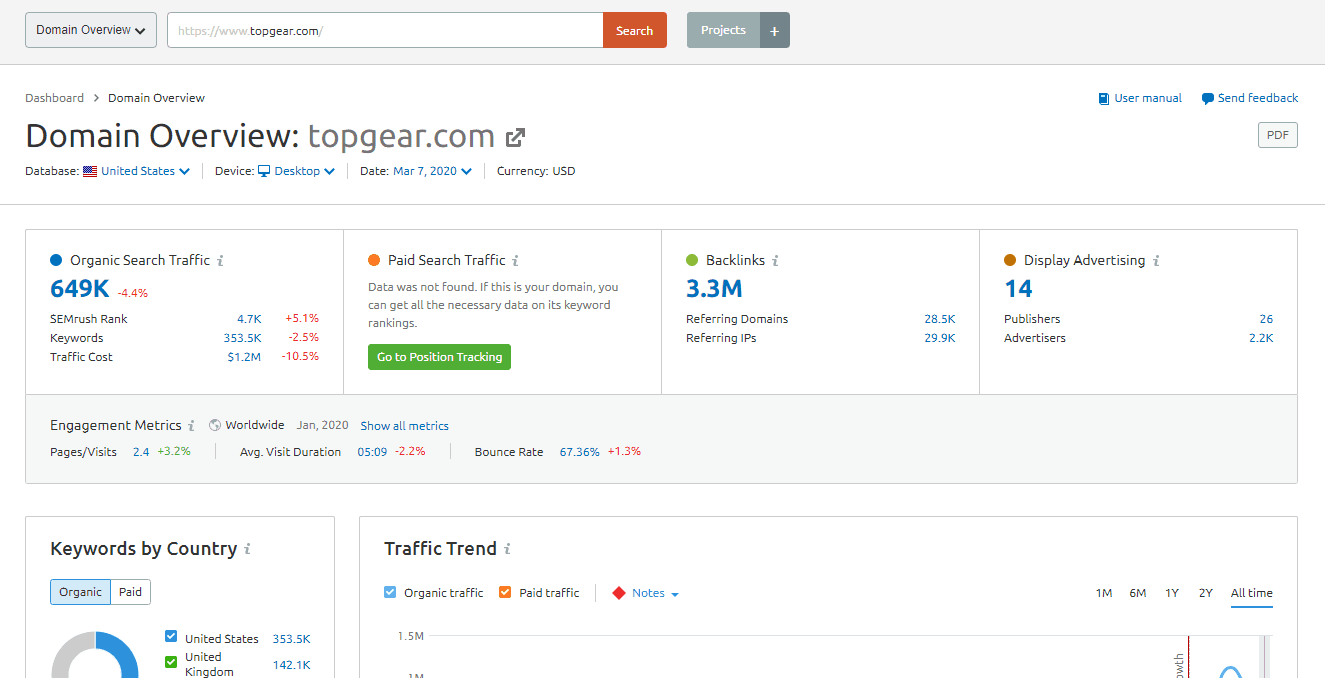
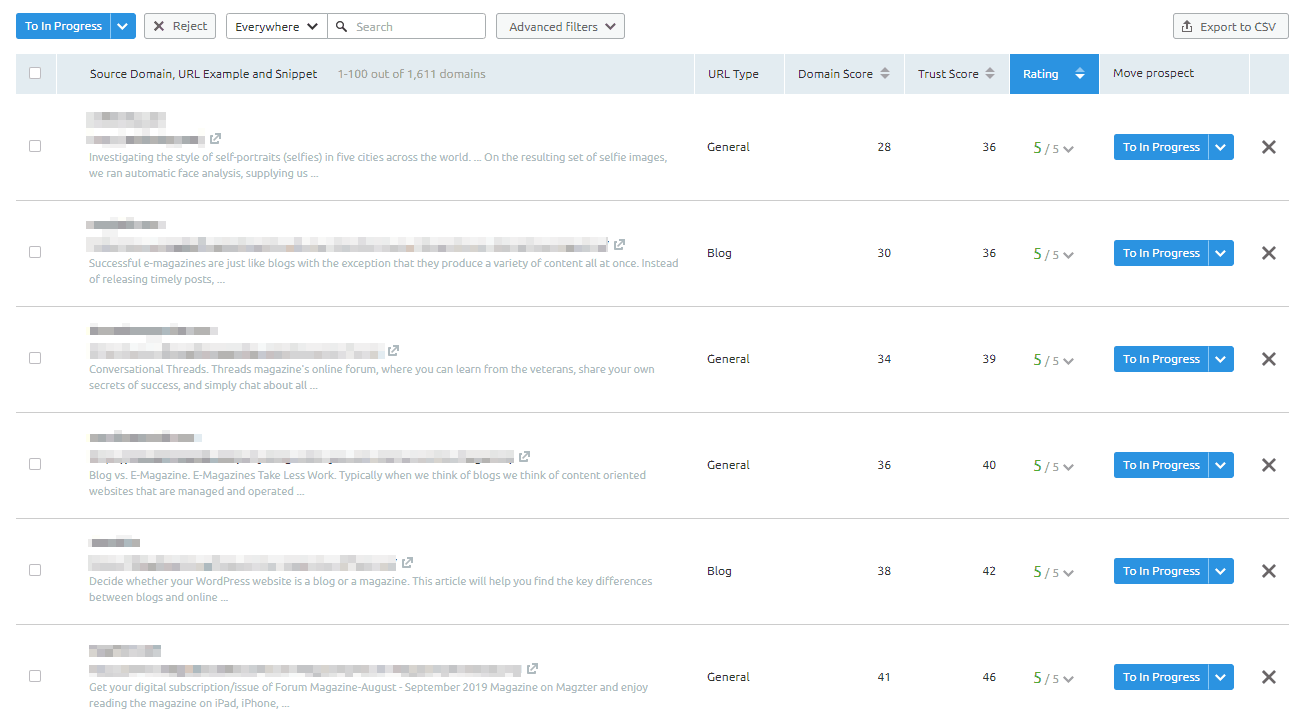
Read each prospective publisher’s relevant page and recent coverage. Record the audience, the missing information your resource supplies and an appropriate professional contact route. Reject unrelated opportunities even if a tool reports impressive metrics.
The competitor analysis guide can help identify publications covering your subject. A competitor’s link does not establish that you can obtain the same placement or that it caused their rankings.
- Follow published pitch instructions.
- Check whether the publication already has an equivalent resource.
- Use accurate names and verified page addresses.
- Review applicable contact and privacy rules before outreach.
- Keep a record of refusals and stop when asked.
Public contact details are not blanket permission to send marketing. The outreach guide covers a restrained pitch workflow and its UK legal limitations.
5. Keep editorial links separate from advertising
Google’s spam policies describe links created primarily to manipulate rankings, including buying or selling ranking links, excessive exchanges and automated link creation. Avoid packages that promise followed links or guaranteed rankings without explaining how placements are obtained.
Advertising and sponsorship can have legitimate business value. Paid links should be qualified appropriately: Google prefers rel="sponsored" for paid placements, with rel="nofollow" also acceptable. User-generated links can use rel="ugc". Do not present a paid placement as an independent editorial endorsement.
A nofollow or sponsored link may still send relevant visitors. Its commercial value is not the same thing as a ranking benefit. Do not pressure an editor to remove qualification or force repetitive anchor text.
6. Record delivery and measure useful outcomes
Maintain a simple log: destination, publication, relevant page, contact status, live link, relationship type and check date. Check the actual placement rather than accepting a screenshot or invoice as the entire proof of delivery.
A fictional campaign records 12 relevant pitches, three replies and one published reference. The business separately records visits from that referring page and any enquiries those visitors make.
Those are different measures. One placement is not proof of improved rankings; three replies are not three backlinks. The numbers are teaching examples, not expected conversion rates.
Review referral visits and useful actions alongside search visibility. In Search Console, check affected pages and queries rather than treating total site traffic as a campaign result. Its Links report and commercial tools may show different samples or update at different times.
Use the monthly SEO report guide to separate completed work, observed outcomes and uncertain explanations. Links can disappear or change, so recheck important placements. There is no universal number of links or delivery period that guarantees results.
Checklist and next step
- Is the destination genuinely useful and supported by evidence?
- Does each publisher have a clear audience fit?
- Can you explain why the citation helps their reader?
- Are commercial relationships transparent and qualified?
- Have you verified the live placement and measured outcomes separately?
Start with one strong resource and a small, carefully reviewed prospect list. Connect the resource to related pages using the internal linking guide so visitors have a sensible next step after arriving.
This is an editorial planning guide, not legal advice or a ranking guarantee. It does not replace your existing link building tutorials.
Unlinked brand mentions are a quick win; the Semrush Brand Monitoring guide shows one way to find them.
Sources and review
Existing checked Google and ICO guidance was reused for the policy and outreach boundaries; competitor beginner-guide coverage was checked on 16 November 2026.
- Google: spam policies, including link spam
- Google: qualifying outbound links
- Google: Search Console Links report
- Ahrefs: beginner’s guide to link building
- ICO: business-to-business marketing
Build a relationship-led prospect worksheet
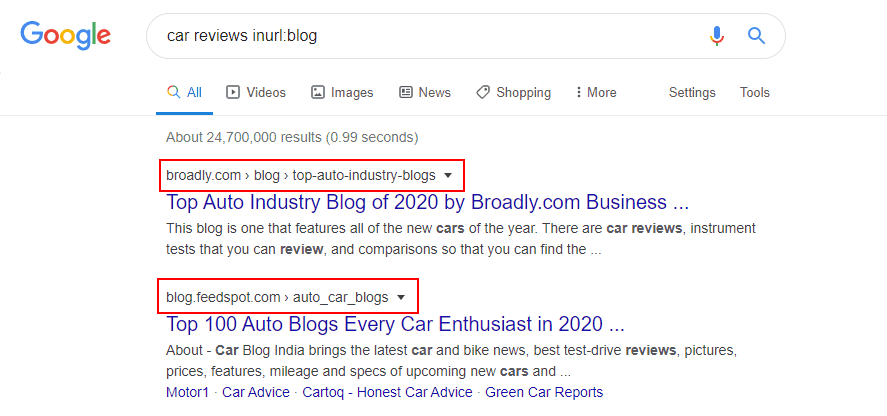
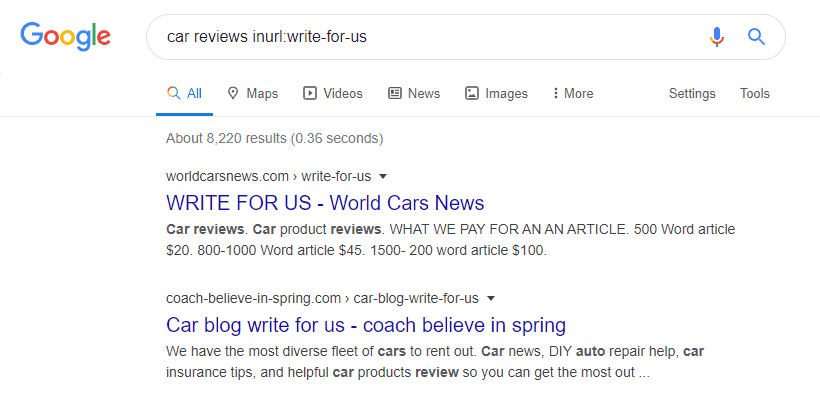
The blogger-outreach article adds a practical sequence to the target's prospect checks: identify relevant writers, prioritise them, read their work and only then prepare a message. Record the specific article, audience overlap, reason for contact and the useful asset you can offer. A genuine conversation or helpful contribution is different from manufactured engagement undertaken only to demand a link.
Personalise the reason, not just the greeting
How to Set Up an Outreach Campaign for Link Building recommends a professional, short message focused on the recipient rather than a long account of the sender's credentials. Offer a relevant resource or a few suitable article ideas and show an appropriate writing sample. Do not carry over the old template's claim that you can “guarantee” the best article; editorial acceptance remains the recipient's decision.
Keep refusal and contact preferences in the workflow
Link Building Outreach Guide adds a useful boundary: an editorial pitch is not a paid-placement order. Identify the sender, respect objections and avoid a universal automated sequence. Its Harbour & Hide example is fictional and illustrative, not a client result. The older campaign article's examples of 10 emails per day, 10 per week and stopping after 2–3 unanswered messages are source-era working suggestions, not a required cadence.
Evaluate the service's method, not its badge
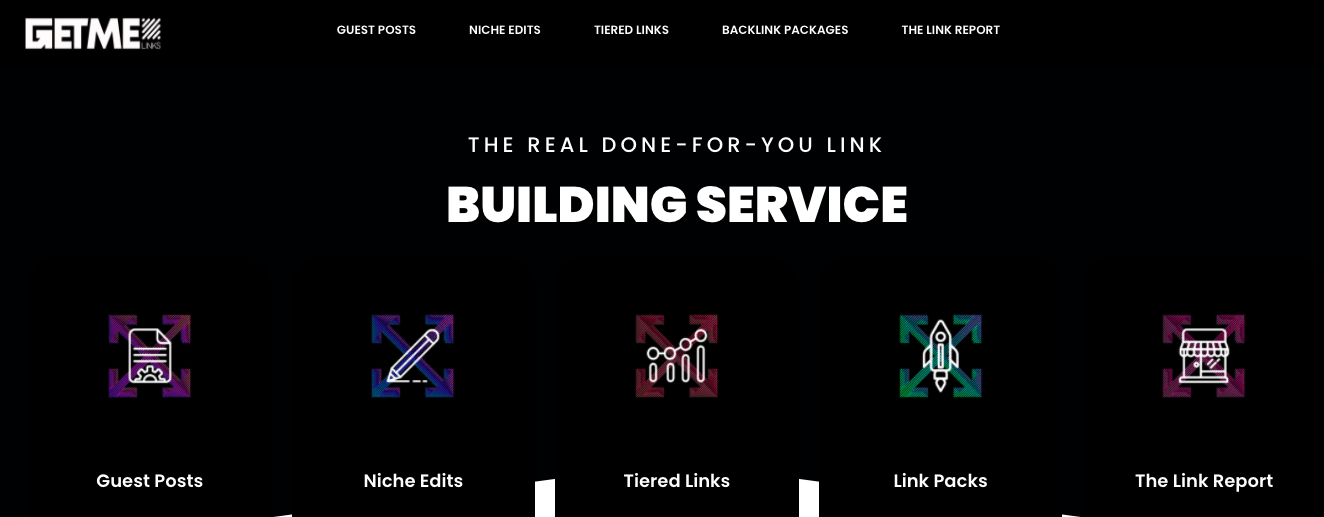
Link Building Services: What to Know, What to Avoid adds vendor questions: where do sites come from, who makes the editorial choice, what is being purchased, what happens if a placement is unsuitable, and are the terms written down? Review the linking site's real topic and audience rather than accepting a high DR with no relevant readership. Its fixed recommendations about keyword counts, authority scores and niche percentages are not universal quality thresholds.
Keep the target's separation of advertising from editorial links: paid placements should be appropriately qualified, and Google prefers rel="sponsored", with rel="nofollow" also acceptable. Do not import the source's followed-link sales framing as an endorsement.
Historical vendor terms, not a current buying guide
The service review described delivery in “3 to 4 weeks”, an inventory of “over 100,000 sites”, a “1,000-word guest post” and a money-back guarantee in its vendor descriptions. It also suggested “above $70 and more” for direct-owner links. The campaign article mentioned Fiverr lists for “$5 or $10”. These are historical claims, not verified current deliverables, prices or refund rights. The target deliberately gives no universal delivery period or price schedule. No vendor checkout links are retained.
Measure outreach without borrowing someone else's success rate
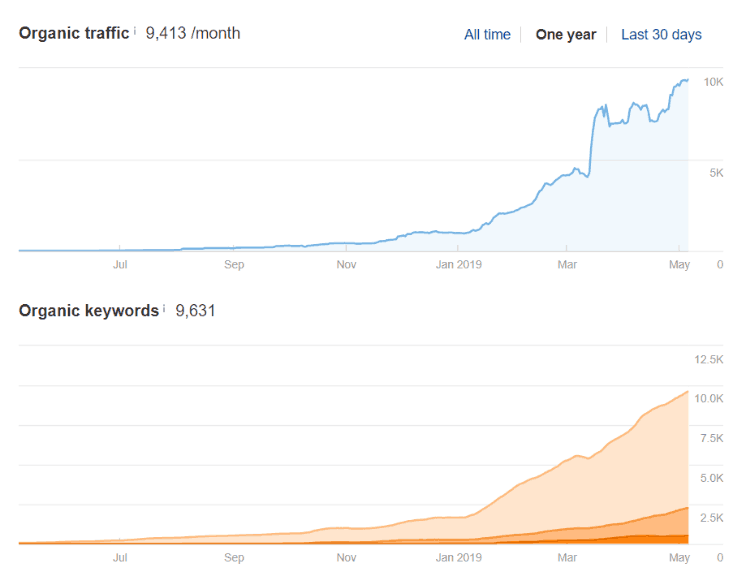
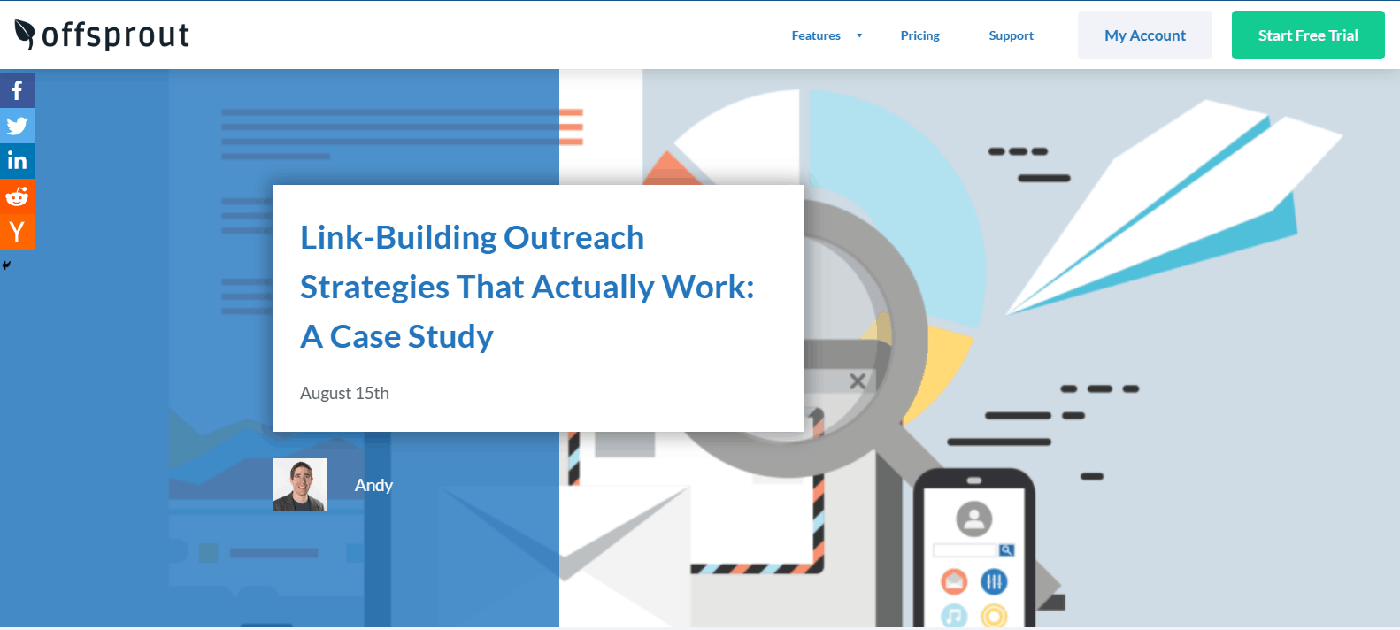
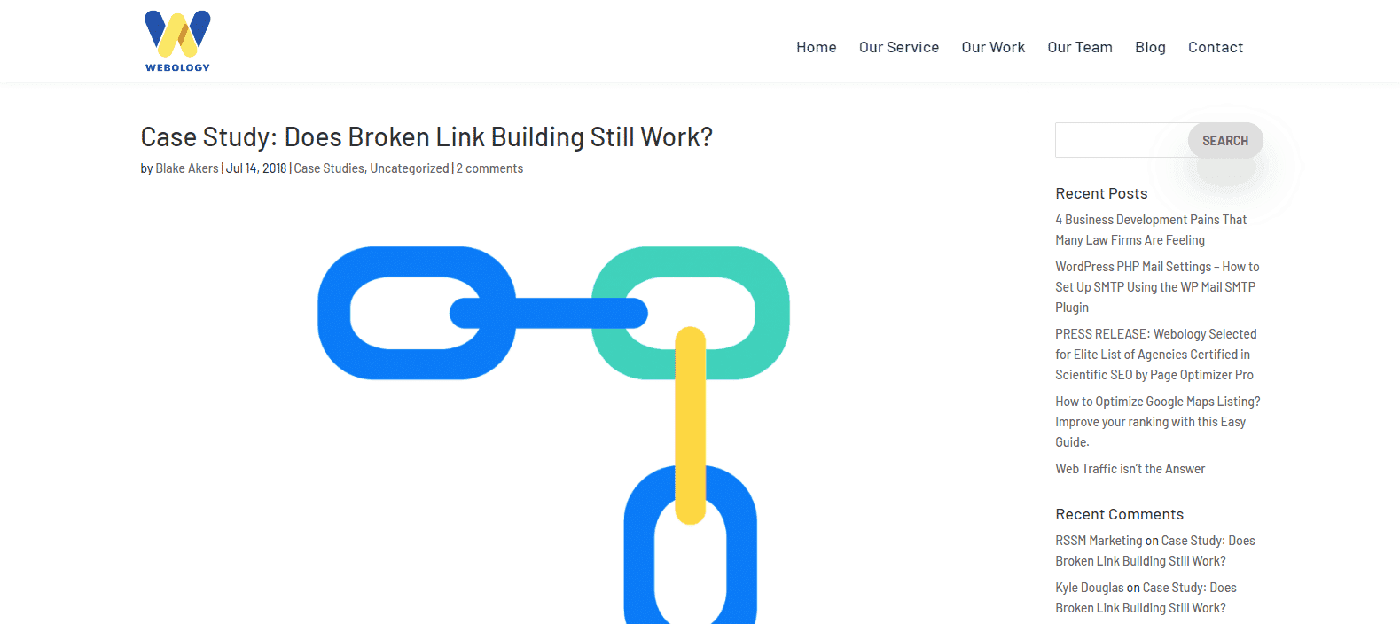
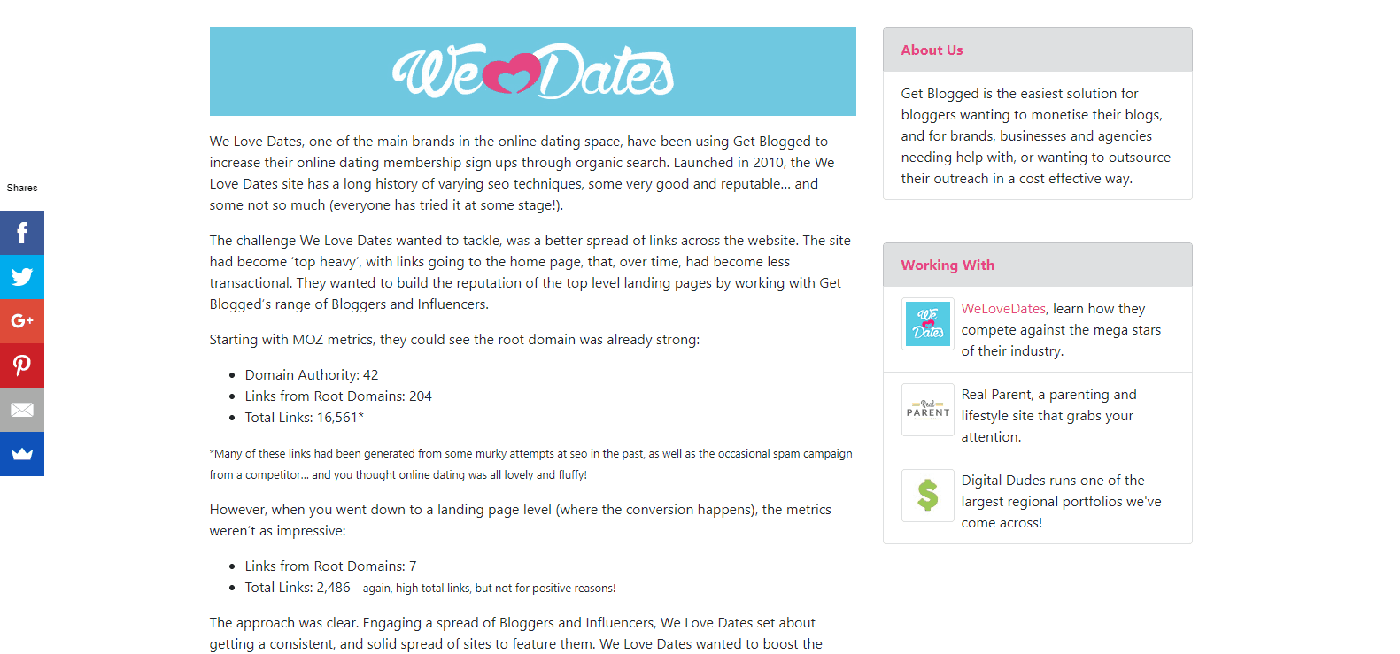
The blogger-outreach article's Offsprout, Webology and We Love Dates examples are externally reported historical cases, not Craig's campaign results. Their figures should not become benchmarks: the source reports 103 links and 2,000% organic-traffic growth for Webology; 20 contacts and five backlinks, or 25%, for Offsprout, alongside differently defined 67% response and 33% success figures; and 90 featured links in a month for We Love Dates via Get Blogged. Different denominators and campaign conditions prevent a like-for-like forecast.
Connect referrals to meaningful events
The updated blogger-outreach article uses GA4 Traffic acquisition to inspect referral and campaign traffic and recommends relevant events and key events rather than obsolete Universal Analytics goals. Combine those observations with replies, editorial acceptances and useful visits. The target's 12 pitches, three replies and one reference remain a fictional illustration, not a replacement for real campaign reporting or proof of causation.
Preserved source images and videos
These original supporting assets supplement the sections above. Existing target media remains in place. Original screenshot captions are retained where supplied; a reused asset is included only once.
Original media: blogger-outreach-how-to-build-relationships-online-the-right-way
Preserved from the source article; historical screenshots, promotions and video claims are not current price quotes or promised results.





Original media: how-to-set-up-an-outreach-campaign-for-link-building
Preserved from the source article; historical screenshots, promotions and video claims are not current price quotes or promised results.
YouTube video paused
Allow YouTube to load videos and use cookies or similar storage. Google receives connection information and may process it under its privacy policy.
Privacy policy


Original media: link-building-services-what-to-know-what-to-avoid
Preserved from the source article; historical screenshots, promotions and video claims are not current price quotes or promised results.
YouTube video paused
Allow YouTube to load videos and use cookies or similar storage. Google receives connection information and may process it under its privacy policy.
Privacy policyYouTube video paused
Allow YouTube to load videos and use cookies or similar storage. Google receives connection information and may process it under its privacy policy.
Privacy policy
YouTube video paused
Allow YouTube to load videos and use cookies or similar storage. Google receives connection information and may process it under its privacy policy.
Privacy policy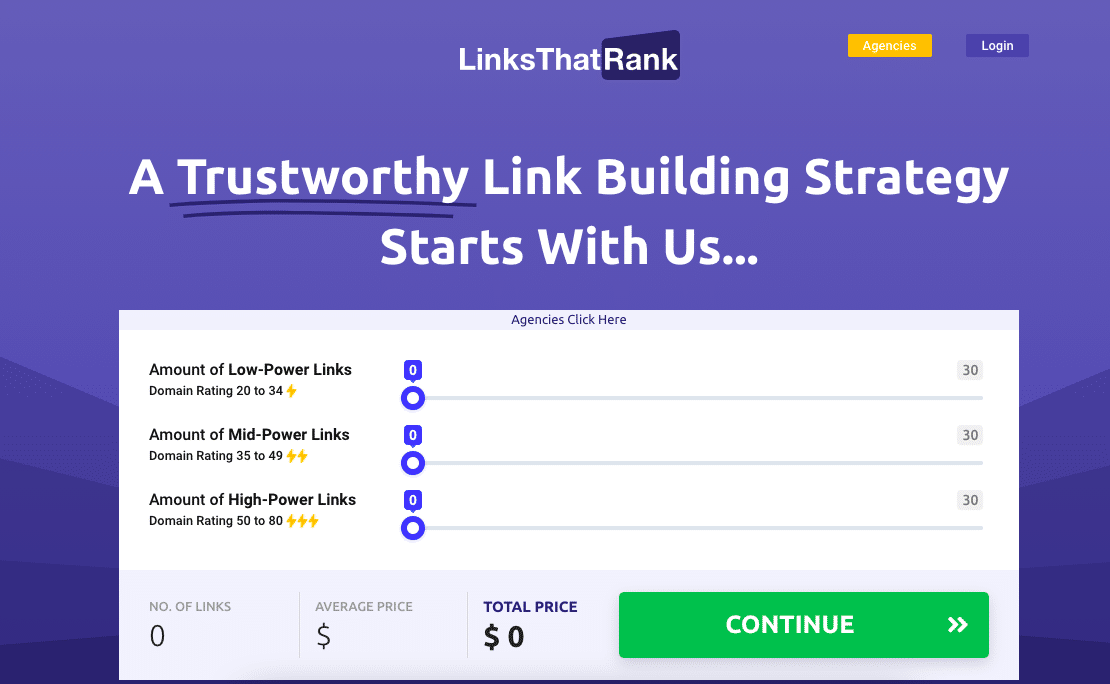
YouTube video paused
Allow YouTube to load videos and use cookies or similar storage. Google receives connection information and may process it under its privacy policy.
Privacy policy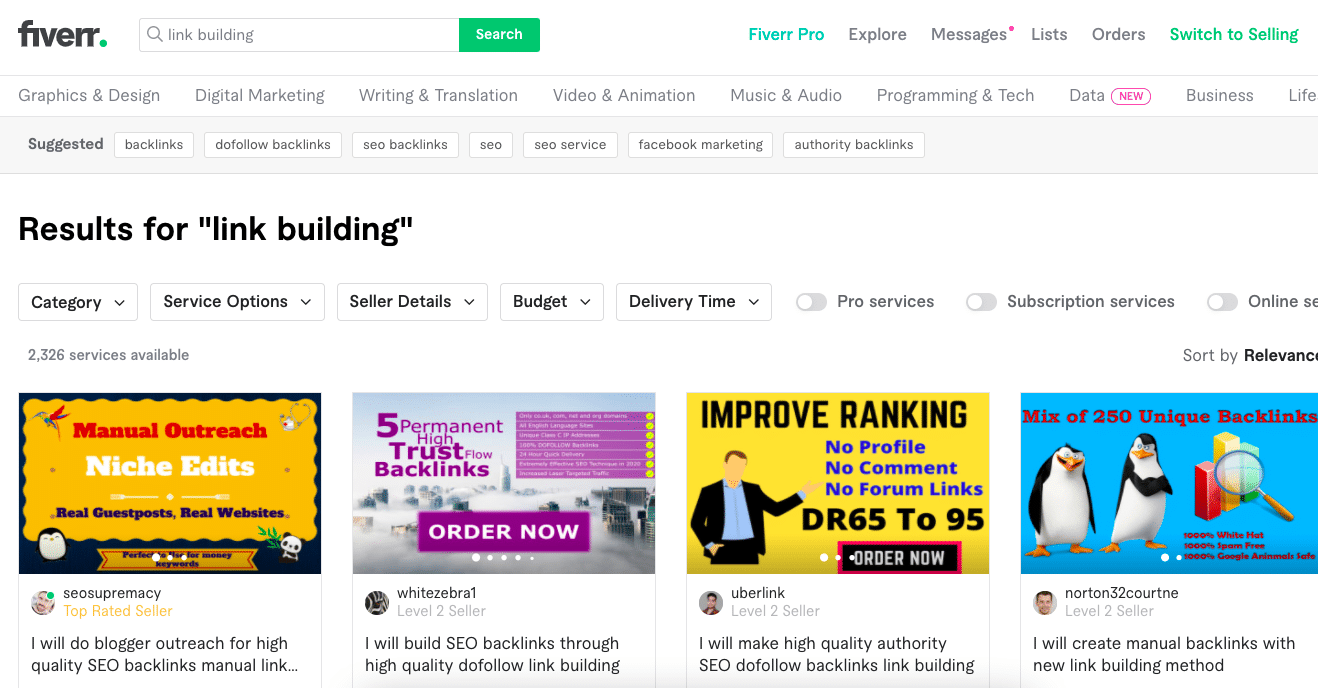
YouTube video paused
Allow YouTube to load videos and use cookies or similar storage. Google receives connection information and may process it under its privacy policy.
Privacy policyYouTube video paused
Allow YouTube to load videos and use cookies or similar storage. Google receives connection information and may process it under its privacy policy.
Privacy policy
YouTube video paused
Allow YouTube to load videos and use cookies or similar storage. Google receives connection information and may process it under its privacy policy.
Privacy policyYouTube video paused
Allow YouTube to load videos and use cookies or similar storage. Google receives connection information and may process it under its privacy policy.
Privacy policyHistorical pricing and terms from the source material
The following wording is retained from the original articles for context, not as a current quote or provider entitlement. Where it differs, the figures and terms stated earlier in this article take precedence; confirm any purchase or engagement terms before payment.
How to Set up an Outreach Campaign for Link Building — 2021-03-08
Don’t assume that folks are just going to give you links because of your experience. Some bloggers are simply unwilling to accept any link building offer if they don’t get paid for it.
How to Set up an Outreach Campaign for Link Building — 2021-03-08
Also, we’d like to point out that on sites like Fiverr , you can find people selling blog lists in all niches and categories and for as little as $5 or $10. After you get the list with the blogs and contacts, you can do the outreach yourself.
How to Set up an Outreach Campaign for Link Building — 2021-03-08
The answer to this question is that it never truly ends. As you probably know, links come and go, and so do websites, so at one point you might lose a link either because that admin has decided to take it down or because they just haven’t paid for their hosting and the site’s now dead.
Link Building Services – What to Know & What to Avoid — 2021-05-19
They also offer a money-back guarantee in case you are dissatisfied with their services.
Link Building Services – What to Know & What to Avoid — 2021-05-19
That’s right, paid guest posting still goes against Google’s policies, and even though everybody knows that links do cost money, it’s still better to pitch guest post ideas only to sites that do not ask you for anything.
Link Building Services – What to Know & What to Avoid — 2021-05-19
For example, if your site’s called ‘Golfing Gear Expert’, you can use anchor texts with that specific name, but you can also opt for similar or related terms, such as ‘golf equipment’, or ‘golfing experience’ or whatever else might be a good enough keyword.
Link building outreach: choose relevant prospects and write a clear pitch — 2026-11-15
This guide focuses on editorial resource pitches, not paid placements, bulk automation or a guarantee of replies.
Link building outreach: choose relevant prospects and write a clear pitch — 2026-11-15
Google’s link-spam rules cover paid ranking links, excessive exchanges and other manipulation. Do not demand exact anchor text or promise guaranteed placements.
Link building outreach: choose relevant prospects and write a clear pitch — 2026-11-15
Qualify paid relationships appropriately.